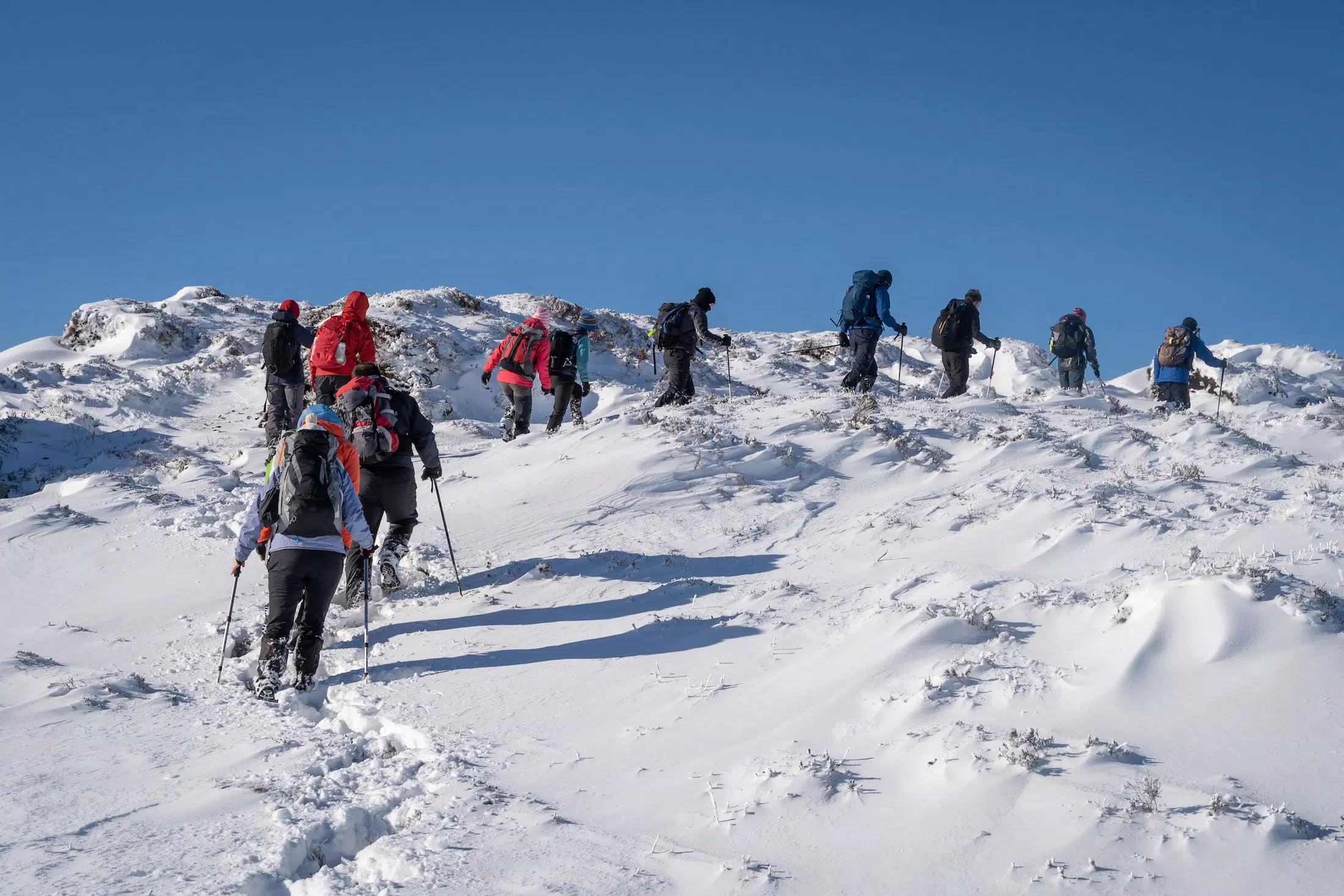
Designing the right Mount Kilimanjaro itinerary is the key to a safe, successful, and enjoyable climb. Our expert team creates carefully paced Kilimanjaro climb itineraries for all major routes up Africa's tallest mountain (5,895 m / 19,341 ft).
With high summit success rates, experienced KINAPA–licensed guides, and routes tailored to your fitness and interests, we help you reach Uhuru Peak with confidence.
Every Kilimanjaro itinerary we design focuses on comfort, safety, and acclimatization rather than rushing to the top.
Our climbs include:
Slow, steady pacing – "pole pole" walking style to support proper acclimatization
Professional mountain guides – KINAPA–licensed, Wilderness First Responder (WFR) trained, and with hundreds of summits completed
Serious safety standards – daily health checks, emergency oxygen, and communication equipment
Ethical porter treatment – fair wages and proper mountain gear under KPAP-style guidelines
Quality camping setup – spacious tents, nutritious hot meals, and private toilet tents on camping routes
Whether you are a first-time trekker or an experienced hiker, we build a Kilimanjaro trek itinerary that fits your pace and goals.
Below are some of the most popular and effective Mount Kilimanjaro itineraries we offer:
Private, custom-paced Kilimanjaro treks are also available for those who want extra flexibility and personalization.
6 days, ~90% success rate, Best for: First-timers, hut accommodation, From: $2,860
7 days, ~96% success rate, Best for: Quieter trails, chance to see wildlife, From: $2,990
8 days, ~98% success rate, Best for: Scenic views, balanced acclimatization, From: $3,250
9 days, ~99% success rate, Best for: Maximum acclimatization, fewer crowds, From: $3,900
The Lemosho Route is one of the most beautiful and well-balanced ways to reach the summit. Below is a sample 8-day Kilimanjaro itinerary:
Registration at the gate, then trek through lush rainforest, with chances to spot colobus monkeys before reaching your first camp.
Climb out of the forest into heather and moorland. Views open up across the Shira Plateau.
A shorter acclimatization day crossing the plateau with panoramic views of Kibo and Mount Meru.
"Climb high, sleep low" day. Gain altitude up to Lava Tower, then descend to Barranco for the night.
Ascend the Barranco Wall, then traverse valleys and ridges with stunning views of the southern glaciers.
A shorter push to high camp. Early dinner and rest before summit night.
Start around midnight for the summit attempt via Stella Point, then descend to Mweka Camp through Barafu.
Final descent through the forest to the gate, receive your summit certificate, and transfer back to your lodge.
When planning your Kilimanjaro climb, consider:
Drier months: January–March and June–October. These months generally offer clearer skies and better underfoot conditions.
We recommend 6–9 days on the mountain. More days = better acclimatization and higher summit chances.
Lemosho – scenic, gradual, excellent for acclimatization
Northern Circuit – longest and quietest route, ideal for those who want maximum acclimatization
Marangu – hut accommodation instead of tents (less camping, but shorter acclimatization)
Small group climbs keep costs lower and offer social interaction. Private climbs allow full flexibility in pace and daily routine.
For peak months, aim to book 6–12 months in advance to secure preferred dates and routes. We handle permits, logistics, transfers, crew, and camp setup so you can focus on the climb.
A successful Mount Kilimanjaro itinerary starts long before you arrive in Tanzania.
Begin training 2–6 months before your climb, depending on your current fitness. Include: Cardio: walking, running, cycling, or stair climbing. Strength work: squats, lunges, step-ups, core exercises. Practice hikes: 1–2 hikes per week with a 10–15 kg backpack if possible
Layered clothing system (base, mid, and outer layers), Waterproof hiking boots (well broken-in), Trekking poles, Warm sleeping bag (around –10°C rating), Daypack and duffel bag. Gear rental can usually be arranged if you prefer not to buy everything yourself.
Consult your doctor before the trip, particularly about: Acetazolamide (Diamox) for altitude adjustment, Any pre-existing heart, lung, or blood pressure conditions. On the mountain, aim for 3–4 liters of water per day. Our guiding team will monitor your oxygen saturation and general health daily.
Expect long hiking days, variable weather, and basic camp life. A positive mindset and patience ("pole pole") make a big difference on summit night.
Your safety comes first on every Kilimanjaro trek itinerary we run.
Our safety approach includes:
Experienced, certified guides with extensive summit records
Twice-daily health checks (pulse, oxygen levels, general condition)
Emergency oxygen and first-aid kits on every climb
Clear evacuation procedures in partnership with park rangers
Conservative pacing and acclimatization-focused itineraries
If at any point your health is at risk, our guides will adjust your itinerary or arrange descent.
Prices vary depending on route, group size, and level of comfort, but typical Kilimanjaro itinerary costs look like this:
Standard: $2,860, Private: $3,510
Standard: $2,990, Private: $3,770
Standard: $3,250, Private: $4,030
Standard: $3,900, Private: $4,550
Included:
Professional mountain guides and crew
Park fees and camping/hut fees
All meals on the mountain
Camping equipment (tents, mess tent, etc.)
Airport transfers and pre/post-climb hotel (as specified)
Not included:
International flights
Tips for mountain crew
Personal gear and clothing
Travel insurance and visas
A full trip, including flights, typically ranges around $3,900–$5,200, depending on your choices.
To match your Kilimanjaro itinerary with the best weather:
January – March: Warmer, generally clear, with a chance of snow on the summit.
June – October: Cooler, very popular, typically dry with excellent visibility.
April – May: Long rainy season – trails can be muddy and visibility limited; not usually recommended.
Short rainy periods in November and early December can still be climbable for those wanting fewer crowds, but conditions may be less stable.
What is a Kilimanjaro itinerary?
It's a day-by-day plan that includes your chosen route, pace, camps, summit strategy, and logistics.
Which itinerary has the best chance of success?
Longer routes like the Northern Circuit (9 days) and Lemosho (7–8 days) generally offer the highest summit success rates due to better acclimatization.
How many days should I plan for my climb?
We recommend at least 7–8 days on the mountain for most trekkers.
How much does it cost to climb Kilimanjaro?
Standard packages start from around $2,860 per person for group trips, with private climbs and longer routes costing more.
Is it safe to climb Kilimanjaro?
Yes—when using reputable, licensed guides who prioritize acclimatization, health checks, and emergency preparedness.
How should I prepare?
Build your fitness with regular cardio, hill walking, and strength training, arrange proper gear, and speak to your doctor about altitude medication if needed.
Ready to design your perfect Kilimanjaro itinerary?
Our team will help you choose the best route, duration, and time of year, then handle all logistics from park permits to camp setup.
Start your journey to Uhuru Peak with a safe, well-paced, and professionally guided climb.
Contact us today to get your personalized Kilimanjaro itinerary and quote.