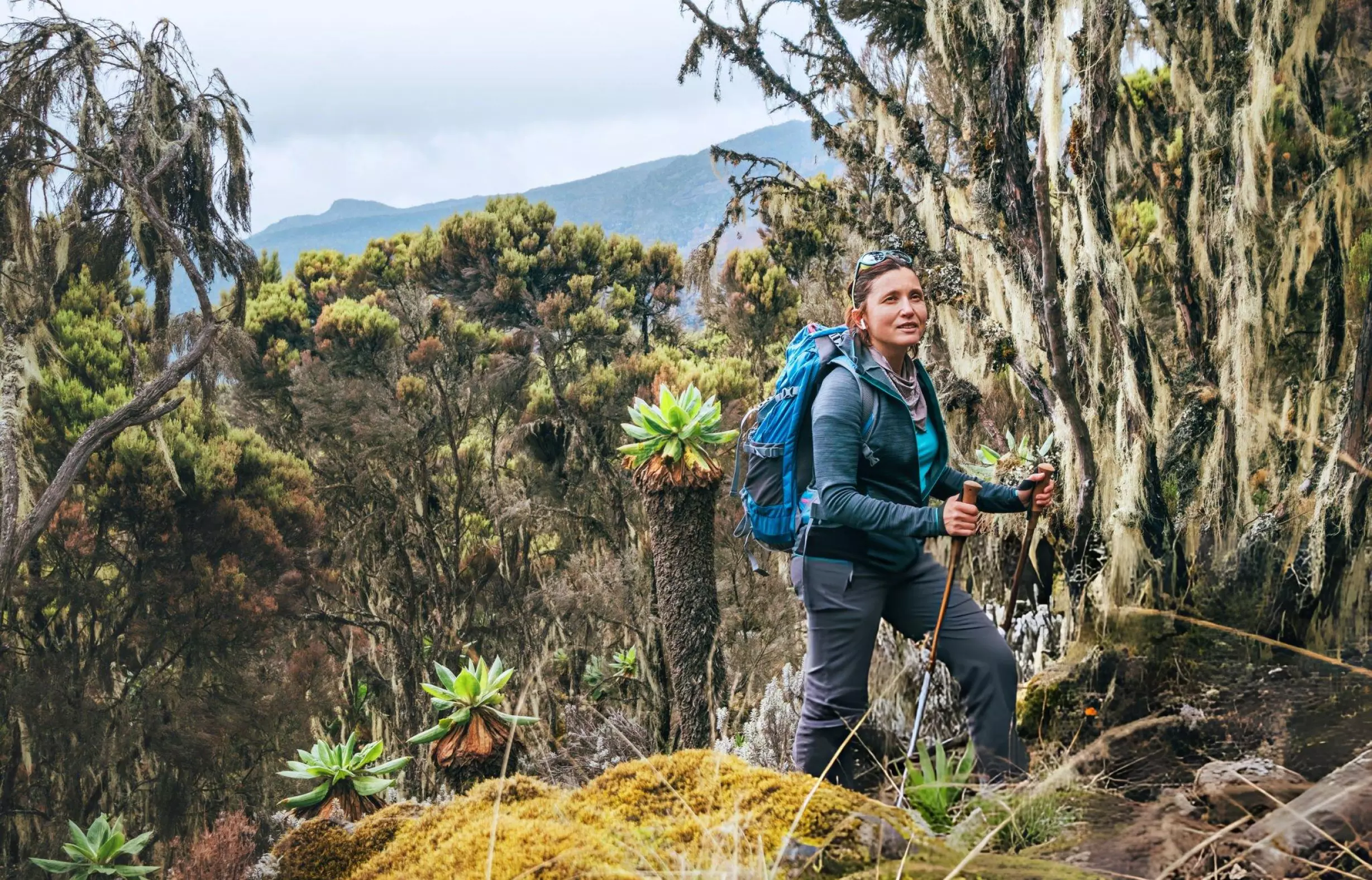
Getting your gear right is one of the most important parts of preparing for a Kilimanjaro climb. The mountain takes you from warm tropical forest to icy, windswept summit – and your equipment has to keep you safe, warm, and comfortable in every zone.
This Kilimanjaro gear guide walks you through exactly what to pack: clothing, footwear, bags, accessories, and optional extras. You'll also find rental options in Moshi/Arusha if you prefer not to buy everything at home.
On Mount Kilimanjaro you'll face:
Rapidly changing weather
Strong sun, wind, rain, and possibly snow
Long trekking days at high altitude
The right equipment helps you to:
Stay safe in cold, wet, or windy conditions
Stay comfortable during 5–8 hours of walking each day
Increase your summit chances, because you're not fighting blisters, damp clothes, or poor sleep
Think of your packing list as your first layer of safety and success.
Essential gear for a successful climb:
Duffel Bag (70–90 L): Tough, waterproof or water-resistant bag. Used by porters to carry your main gear between camps. Soft-sided, with strong zips and straps.
Daypack (20–35 L): Worn by you every day. Holds water, snacks, extra layers, camera, sunscreen, etc. Look for padded hip belt and shoulder straps, and a rain cover.
Trekking Poles (Adjustable): Take pressure off knees and hips on ascents and descents. Very useful on loose scree and summit night.
Sleeping Bag: Rated to at least –10°C / 14°F for comfort. Down or high-quality synthetic; mummy shape preferred.
Sleeping Pad / Mattress: Adds insulation from the cold ground. Greatly improves comfort and sleep quality.
Headlamp: Essential for summit night and early starts. Bring spare batteries and check brightness before your trip.
Water Storage: 2–3 liters total capacity via water bottles and/or hydration bladder. Insulated tube or bottle covers recommended to prevent freezing higher up.
You'll move through multiple climate zones, so layers are the key. Aim for a system you can easily add or remove throughout the day.
Lightweight thermal tops and bottoms (synthetic or merino wool), 2–3 pairs of moisture-wicking underwear. These sit next to your skin and keep sweat away from your body.
1 warm fleece or softshell jacket, 1 insulated down or synthetic jacket for evenings and summit night. These layers trap warm air and keep you comfortable as temperatures drop.
Waterproof, windproof shell jacket (Gore-Tex or similar), Waterproof, windproof over-trousers. They shield you from rain, wind, and snow higher on the mountain.
2–3 lightweight, quick-dry trekking shirts, 1–2 pairs of hiking pants (convertible trousers are ideal), 1–2 pairs of hiking shorts or light pants for lower, warmer sections
Warm beanie or fleece hat for cold evenings and summit night, Sun hat or cap with brim for lower, sunny sections, Buff/neck gaiter or balaclava to protect your face from wind and dust
Lightweight gloves for moderate temperatures, Insulated, waterproof outer gloves or mittens for summit night
4–5 pairs of moisture-wicking hiking socks, 1–2 pairs of thick, warm mountaineering socks for the coldest nights
Hiking Boots: Mid or high-cut, waterproof, with good ankle support. Well broken-in before your trek to avoid blisters.
Camp Shoes: Light trainers or sandals to change into at camp and let your feet rest
Sunglasses: UV protection, ideally with side shields to handle snow glare
Sunscreen & Lip Balm: High SPF and broad-spectrum; the UV at altitude is intense
Personal First Aid Kit: Blister care (Compeed/tape), painkillers, any prescription medications
Toiletries: Biodegradable wet wipes, small towel, toothbrush, toothpaste, hand sanitizer, tissues
High-Energy Snacks: Nuts, trail mix, energy bars, dried fruit, electrolyte powders
Camera / Smartphone: Plus protective pouch and minimal accessories
Documents & Cash: Passport, visas, travel insurance details, some USD/TZS for tips and extras
Gaiters: Help keep mud, snow, and small stones out of your boots
Earplugs: Useful for sleeping in tents or in windy conditions
Notebook or Journal: To record your experience each day
Portable Power Bank: For charging phone, camera, or headlamp batteries
Small Travel Pillow: Or inflatable pillow for more comfortable sleep
If you don't want to buy everything at home, many items can be rented in Moshi or Arusha. Quality is generally good, but availability and fit can vary, so we still recommend bringing your own boots, base layers, and personal essentials.
You can expect approximate rental prices like:
$10 – Very useful for descents and for less experienced hikers.
$30 – Fit and waterproofing can't be guaranteed – best bring your own.
$10 – We recommend bringing at least one good set from home.
$15
$30 – Essential for summit night if you don't own one.
$40 – Bring a thermal liner for extra warmth and hygiene.
$15 – Check brightness and bring spare batteries.
Pack your gear in dry bags or plastic liners inside the duffel and daypack.
Keep important items (medications, documents, electronics) in your hand luggage when flying.
Test your full setup on a day hike at home: boots, backpack, layers, and poles.
When in doubt, prioritize warmth, dryness, and comfort over style.
With the right equipment and a bit of planning, you'll be ready to focus on the real goal: enjoying each step towards the summit of Mount Kilimanjaro.