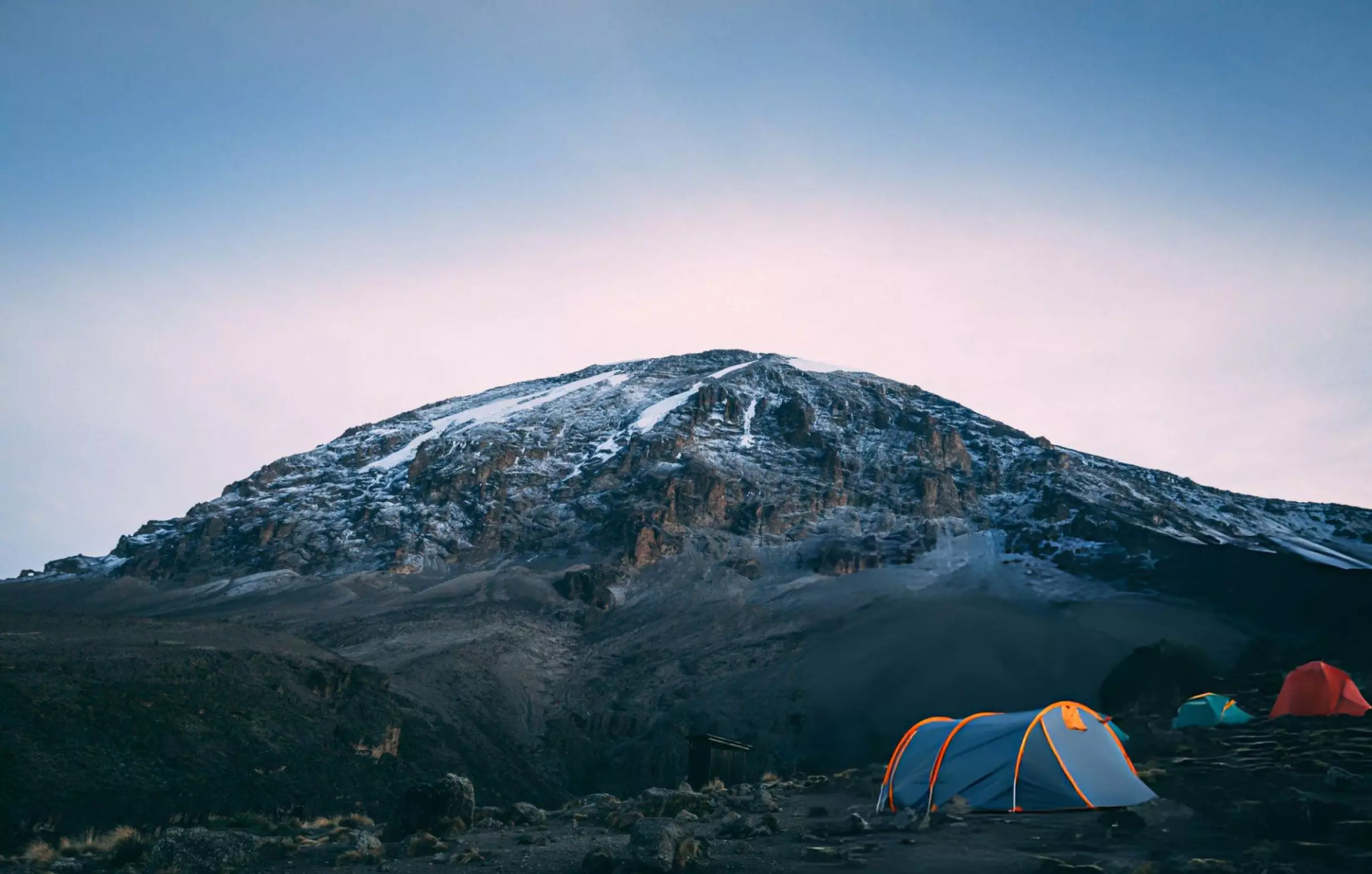
Climbing Mount Kilimanjaro in November comes with both challenges and unique advantages. November falls within the short rainy season, leading to wetter conditions, reduced visibility, and slippery trails. While this is not considered the best time to climb, it does offer quieter routes, fewer crowds, and a more peaceful experience for trekkers who don't mind variable weather.
November marks the beginning of the short rains on Kilimanjaro. Expect:
Increased rainfall, especially in the afternoons
Cloudy conditions affecting visibility
Damp and muddy trails
Unpredictable weather patterns
Despite the rain, mornings can still be relatively clear before clouds build up later in the day.
Lower Elevations: Daytime: 28°C to 30°C (82°F to 86°F). Warm and humid during clear mornings
Higher Elevations: Temperatures drop significantly. Strong winds and wind chill. Near the summit, conditions can feel extremely cold
Summit Temperatures: Well below freezing. Wind chill increases the cold significantly
Cloud cover is common throughout November, resulting in:
Limited views of Kilimanjaro's summit
Fewer panoramic vistas
Fog on certain forest and moorland sections
November's rain affects trail conditions more noticeably than most months:
One of the key benefits of climbing Kilimanjaro in November is the reduced number of trekkers.
Approaches from the northern side
Receives significantly less rainfall than southern routes
Best option for avoiding wet, muddy terrain
Offers quieter trails and good acclimatization
Longest and best acclimatization profile
Travels around the northern, drier side
Excellent for avoiding crowds and heavy rain
Ideal for trekkers seeking stability and scenery
Only route with hut accommodation, which helps in wet weather
May still be wet, but offers more comfort than camping
Suitable for climbers wanting to avoid muddy tents
Very scenic but wetter on the southern slopes
Recommended only for prepared trekkers with good rain gear
Very few climbers
Quieter trails and camps
Cooler conditions for hiking
More availability for bookings and preferred dates
Slippery and muddy trails
Frequent rain and cloud cover
Poor visibility for summit views
Greater unpredictability in weather
For trekkers who prefer optimal weather, months like January, February, July, August, or September are better. But for those seeking a quieter, more private experience, November is workable—especially on northern routes.
All treks are private and customizable.
Request your itinerary and receive a personalized quote within 24 hours.